Frequencies Nobody Asked For: How Noise Musicians Are Winning by Losing the Signal
Somewhere between a Spotify playlist titled "Focus Deep Work Study" and the heat death of the universe, there exists a genre of music that refuses to introduce itself. It doesn't have a catchy hook. It doesn't drop. It barely arrives. It's ambient noise — or, more precisely, it's the sound of signal loss treated as a compositional masterpiece — and it is, against all reasonable expectations, having a genuine moment.
This is not your grandfather's Brian Eno record. This is something stranger, more deliberate, and considerably more difficult to explain at a dinner party.
The Sound of a Bad Connection, On Purpose
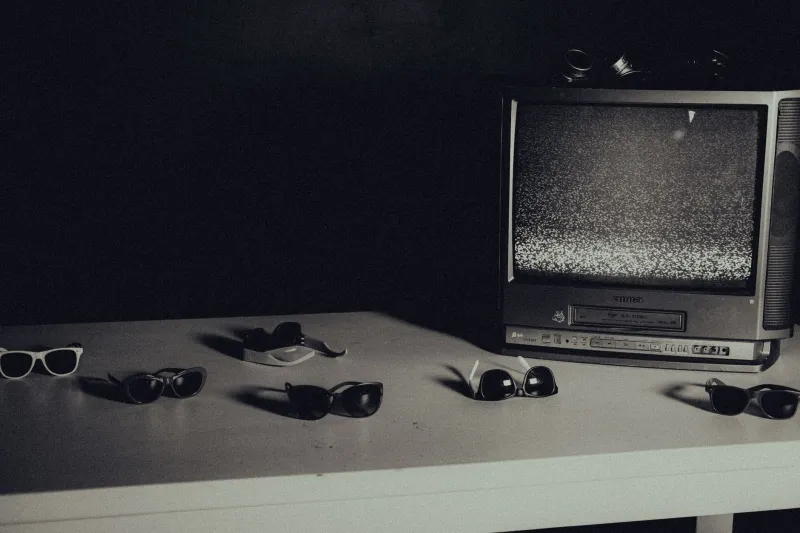
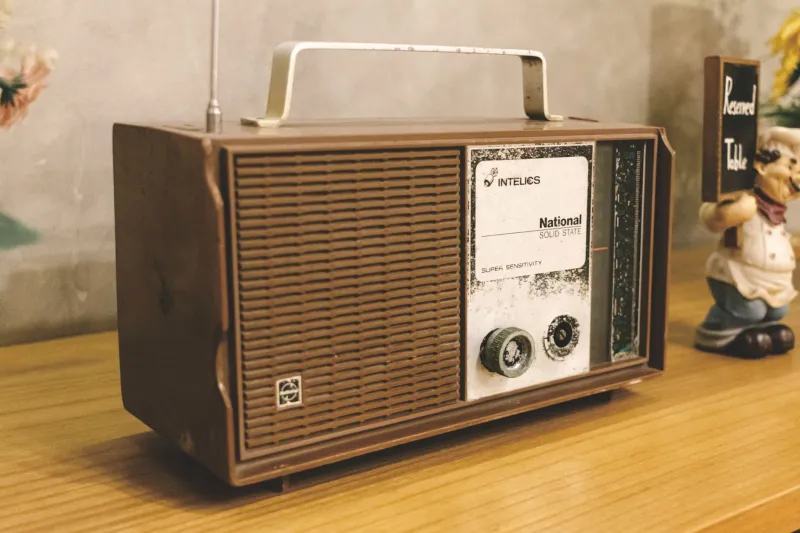
Picture the static between AM radio stations at 2 a.m. Now imagine someone spent six months crafting that static, layering field recordings of empty server rooms over degraded tape loops and the occasional fragment of a human voice that's been run through so many effects processors it sounds less like speech and more like a half-remembered dream.
That's roughly the aesthetic territory occupied by what practitioners are calling "signal-loss composition" — a loose, deliberately unbranded movement of musicians who have embraced the textures of broken transmission as their primary palette. The genre, if you can call it that, sits somewhere in the overlap between harsh noise, lowercase ambient, and the kind of sound design you'd expect to hear in a film where the protagonist slowly realizes they might not exist.
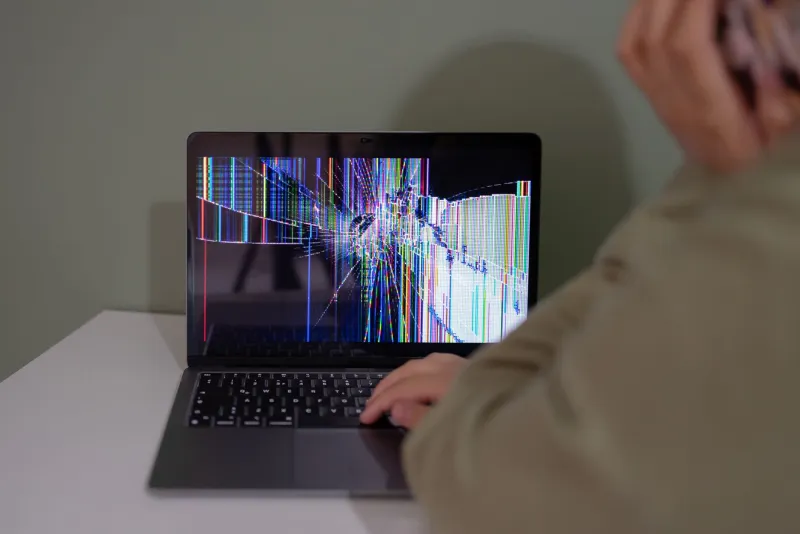
Artists like Meridian Fault, a Brooklyn-based producer who releases music exclusively through a .onion site and a single Bandcamp page with no profile photo, have built modest but fiercely dedicated followings by releasing tracks with titles like Packet Loss (Variation 3) and Handshake Failed. The music sounds, on first listen, like your Wi-Fi router having an existential crisis. On the fifth listen, it sounds like the only honest thing anyone has made in years.
"I got tired of music that was trying to grab me," Fault explained in a rare email interview, conducted over several weeks due to what they described as "intentional communication latency." "Everything on every platform is engineered to hook you in the first three seconds. I wanted to make something that takes about twenty minutes to even acknowledge you're there."
The Algorithm's Natural Enemy
Here's the thing that makes this movement genuinely interesting from a cultural standpoint: it is, structurally, the algorithm's worst nightmare.
Streaming platforms run on engagement metrics. Skip rates, completion rates, save rates, playlist adds — the machinery of music discovery is built to surface tracks that people respond to quickly and emotionally. Ambient noise compositions that deliberately resist resolution, that have no discernible beginning or end, that sometimes consist primarily of silence punctuated by the occasional low-frequency hum — these tracks don't just perform poorly by algorithmic standards. They actively confuse the system.
Several artists in this space have reported their releases being miscategorized, buried, or occasionally flagged as "potentially non-music content" by automated moderation systems. Rather than treating this as a problem, they've embraced it as a feature.
"Getting flagged means you made something real," says Corinne Yates, who records under the name Carrier Absent and is based in Portland, Oregon. Her most recent release, a 47-minute piece called The Hold Music of a Disconnected Number, was briefly removed from one major platform before being reinstated with the category label "Podcast/Spoken Word." She left the mislabeling up. "It's more accurate than 'Electronic,'" she said.
Anxiety as Aesthetic, Static as Shelter
It would be easy — and a little too convenient — to read all of this as simply a reaction to digital overload. The think-piece version of this story writes itself: overwhelmed Americans, drowning in notifications and content, retreat to the sonic equivalent of white noise as a coping mechanism. And sure, there's something to that.
But the artists making this work are quick to push back on the idea that they're just selling a premium form of stress relief. The distinction they draw is subtle but real: this isn't music designed to calm you down. It's music designed to remind you that the signal was always a little broken.
"There's a difference between ambient music that erases the world and music that makes the world's noise visible," explains Marcus Tello, a Chicago-based composer who has released work under at least four different project names, none of which appear in his email signature. "I'm not trying to give anyone a spa experience. I'm trying to make them hear the static they've been tuning out."
This distinction maps onto something broader happening in underground music culture right now. The fetishization of lo-fi aesthetics — degraded audio, tape hiss, vinyl crackle — has been a trend for years, but signal-loss composition pushes past nostalgia into something more confrontational. It's not asking you to feel warm and fuzzy about imperfection. It's asking you to sit with the discomfort of a world that keeps dropping the call.
Where to Actually Find This Stuff
If you're now curious enough to actually listen to some of this, congratulations — you've reached the part of the article where things get appropriately inconvenient.
Most signal-loss artists distribute their work through channels that feel specifically designed to test your commitment. Bandcamp remains the platform of choice, partly for philosophical reasons (artist-friendly revenue splits) and partly because its search infrastructure is bad enough that finding things still requires actual word-of-mouth. Physical media — cassette tapes, specifically — are disproportionately popular, which makes a certain kind of sense: a cassette is literally a magnetic tape that degrades with every play, accumulating noise as it ages.
There are also Discord servers, mailing lists, and at least two Telegram channels dedicated to sharing new releases in this space. None of them are easy to find. That's the point.
"I don't want listeners who found me through a curated playlist," says Yates. "I want listeners who had to actually look."
The Signal, Interrupted
Here at StaticNoise, we've always had a certain sympathy for things that don't resolve cleanly — transmissions that arrive garbled, domains that suggest something without quite explaining it, frequencies that exist in the margins of whatever you were actually trying to receive. Signal-loss composition feels, in that sense, like our kind of music.
It won't chart. It won't go viral. It will probably never be featured in a car commercial or a Netflix trailer, though honestly, someone should try. What it will do, if you give it enough time and a decent pair of headphones, is make you aware of something you'd stopped noticing: the gap between what was sent and what arrived. The space where the meaning got lost.
Some musicians are building entire careers in that gap. Whether the rest of us are ready to follow them there is, as yet, unclear.
Signal unclear. Tune accordingly.